Exploring the Benefits of Psychological Treatment for Adolescent Well-Being and Growth
Psychological treatment plays a pivotal role in the wellness and development of young adults. Adolescence is a tumultuous period marked by social and psychological obstacles. Therapy provides a structured atmosphere for teenagers to express their feelings and confront their struggles. It furnishes them with crucial tools for resilience and communication. As they navigate this developmental stage, the impact of therapy can be profound. What specific benefits can emerge from such support during these formative years?

Recognizing the Teenage Mind: Pressures and obstacles
As teenagers navigate the intricacies of their developing stage, they encounter many difficulties and pressures that can substantially influence their mental health. This duration is marked by substantial physical, emotional, and social changes, which can generate feelings of complication and uncertainty. Peer influence escalates, commonly resulting in a battle for acceptance and identification. Academic assumptions can create extra stress, as the stress to excel places in an increasingly affordable environment.
In addition, the introduction of social media sites introduces a brand-new layer of complexity, where contrasts to curated online personas can worsen feelings of inadequacy and stress and anxiety. These factors can cause psychological distress, including anxiety, anxiety, and reduced self-esteem. Comprehending these difficulties is essential for parents, teachers, and psychological wellness professionals, as it provides insight into the teen experience and highlights the demand for encouraging interventions to foster durability and wellness throughout this essential developing stage.
Creating a Safe Space for Expression
Creating a safe space for expression is vital for teenagers navigating their turbulent developing phase. In restorative setups, this atmosphere promotes open dialogue, enabling teens to connect their feelings without fear of judgment. Such spaces enable them to discover their feelings and thoughts, which is necessary for recognizing their identifications and experiences.
When teenagers feel protected, they are most likely to share their battles, consisting of stress and anxiety, anxiety, or interpersonal conflicts. This open interaction can cause deeper insights and promote individual growth.
A secure area encourages creative thinking and self-reflection, providing young adults the flexibility to express themselves via different electrical outlets, such as art or writing. Developing trust in between the therapist and the teenage is important, as it underpins the effectiveness of the healing process. Inevitably, creating a secure space for expression functions as a foundation for psychological recovery and personal growth during these developmental years.
Developing Coping Methods and Resilience
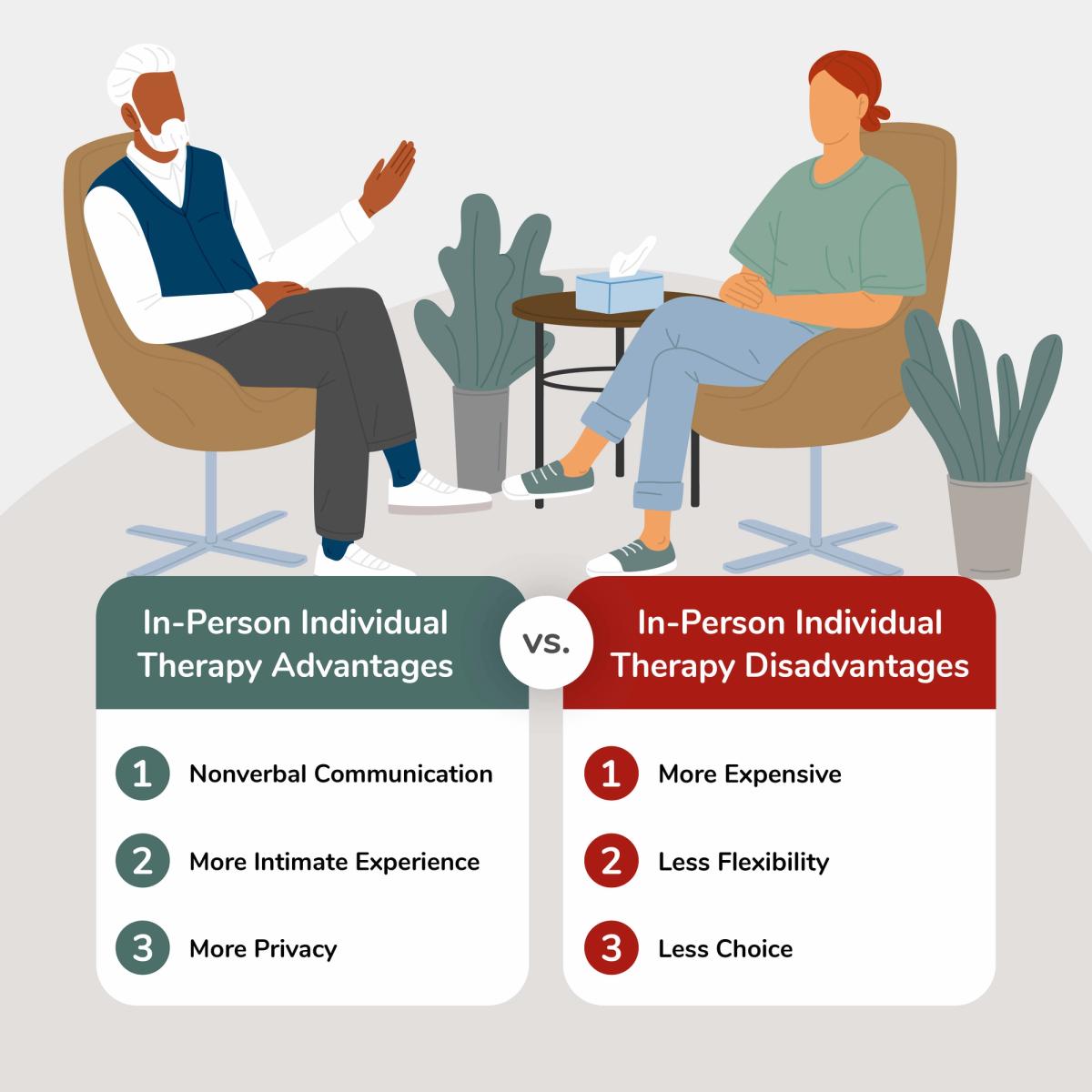
Specialists usually present strategies such as mindfulness, journaling, and analytic abilities, allowing teens to manage their reactions more effectively. Additionally, by participating in role-play circumstances, they exercise exactly how to manage tight spots, reinforcing their self-confidence. With time, these abilities promote a sense of firm, outfitting teens with the tools to browse life's unpredictabilities. The growth of resilience not only help in getting over instant challenges but likewise lays the groundwork for much healthier emotional feedbacks in the adult years, inevitably adding to long-lasting health.
Enhancing Interaction Skills
Reliable communication abilities are crucial for teens as they navigate complicated social landscapes. Mental treatment plays an essential duty in improving these abilities, enabling adolescents to reveal their feelings and thoughts extra clearly. Via directed sessions, specialists encourage teenagers to articulate their feelings, promoting much better understanding in peer communications and family characteristics.
Treatment provides a risk-free room for exercising active listening, empathy, and assertiveness. These abilities encourage teenagers to take part in significant discussions, willpower problems, and build stronger partnerships. As they find out to communicate efficiently, they likewise obtain self-confidence in their ability to advocate for themselves and their requirements.
In addition, boosted interaction skills contribute to emotional intelligence, allowing teens to acknowledge and respond to the emotions of others. This alternative advancement promotes an encouraging setting, inevitably advertising total health and social assimilation. Via psychological treatment, teens can cultivate these vital skills for look what i found a healthier social experience.
Fostering Personal Growth and Self-Discovery
Cultivating individual development and self-discovery in teens includes a multifaceted approach that encourages understanding of individual identification. This procedure also emphasizes the relevance of structure resilience skills and boosting emotional recognition. With each other, these components produce a foundation for healthier, extra confident individuals as they navigate their formative years.
Understanding Individuality
Just how do young adults navigate the complicated landscape of individuality as they venture for self-discovery and growth? During this formative duration, they come to grips with numerous influences, consisting of peers, family members, and social assumptions. Psychological treatment can act as an important tool, offering a safe room for exploration and representation. With guided discussions, teenagers can verbalize their feelings and thoughts, permitting them to comprehend their beliefs, needs, and values. This process promotes a much deeper understanding of their one-of-a-kind identity, equipping them to make enlightened choices and establish a feeling of purpose. As they participate in self-discovery, they find out to embrace their uniqueness and browse challenges with greater clearness, inevitably enhancing their overall wellness and individual development.
Structure Resilience Skills
Enhancing Emotional Understanding
Enhancing emotional understanding is crucial for teens steering the complexities of teenage years, as it permits them to identify and comprehend their sensations better. By participating in mental treatment, teens learn to acknowledge their psychological responses and the triggers behind them. This process promotes individual development and self-discovery, enabling them to verbalize their feelings and deal with obstacles more adeptly. As teens create psychological awareness, they cultivate empathy, enhance connections, and boost interaction abilities. Additionally, this heightened understanding aids in decision-making, assisting them browse social stress and create a feeling of identification. Ultimately, fostering emotional awareness through therapy can lead to healthier coping mechanisms and a more balanced mood, fundamental for prospering throughout these developmental years.
Building Healthy Relationships and Support Systems
While traversing the complexities of adolescence, constructing healthy and balanced partnerships and support group is crucial for young adults. These links supply emotional stability and a feeling of belonging, essential throughout this developing stage. Positive partnerships with peers, family members, and coaches can enhance self-esteem and strength, making it possible for teens to navigate obstacles extra successfully.
Mental treatment plays a crucial function in fostering these partnerships by furnishing adolescents with interaction and conflict-resolution abilities. Through treatment, they learn to share their sensations, understand various perspectives, and develop limits, which are basic for preserving healthy communications.
Supportive networks motivate young adults to seek aid when needed, lowering isolation and advertising psychological wellness. When teens feel linked to their assistance systems, they are much more most likely to take part in useful actions and make informed decisions. Overall, the cultivation of healthy partnerships and assistance systems is instrumental in promoting teen wellness and individual development
Often Asked Questions
How Do I Locate a Professional Therapist for My Teen?
To find a certified therapist for a teenager, one need to look for recommendations from doctor, study credentials online, examine evaluations, and ascertain the specialist focuses on teenage problems, fostering an encouraging atmosphere for development.
What Are the Expenses Associated With Psychological Treatment for Teens?
The costs related to mental therapy for teenagers vary extensively, usually varying from $50 to $250 per session. Insurance insurance coverage, sliding range fees, and regional sources can influence cost and accessibility for households seeking support.
Exactly How Often Should Teenagers Go To Treatment Sessions?
Teens need to ideally go to treatment sessions once a week or biweekly, depending on private demands. Constant sessions can promote a safe area for expression, while permitting specialists to keep track of progression and readjust strategies successfully with time.
Can Treatment Be Effective for All Teens?
Therapy can be efficient for lots of teenagers, yet individual results vary. Elements such as personal scenarios, visibility to the procedure, and the restorative strategy used all affect its performance for each and every adolescent.
What Should Moms and dads Do Throughout Their Young adult's Treatment Refine?
Moms and dads need to proactively sustain their teen's treatment process by preserving open communication, respecting confidentiality, attending sessions if invited, and encouraging their youngster's initiatives (Individual Counselling Services). Understanding and patience are essential as teenagers browse their personal growth trip
Psychological therapy plays a crucial duty in the wellness and growth of teenagers. By involving in mental therapy, teens discover to acknowledge their emotional feedbacks and the triggers behind them. Psychological therapy plays a pivotal duty in promoting these relationships by gearing up teenagers with interaction and conflict-resolution abilities. Teens must preferably go to therapy sessions once a week or biweekly, depending on individual demands. Parents need to actively sustain their teen's therapy procedure by maintaining open interaction, respecting discretion, going to sessions if welcomed, and encouraging their youngster's efforts.